


.png)
ECG
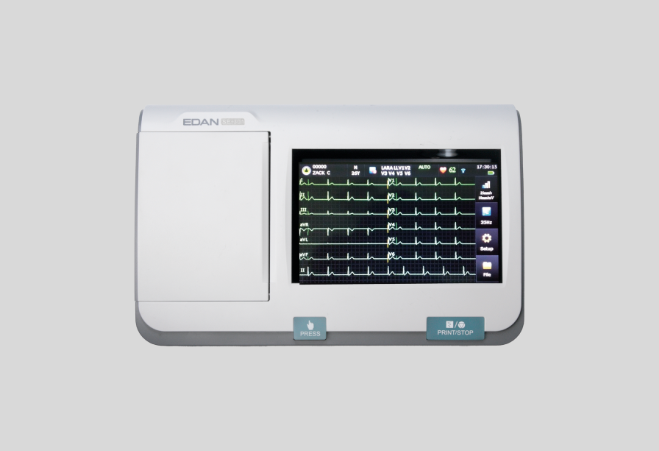
An ECG is a recording of the heart rhythm that allows many parts of the heart’s electrical activity to be assessed. A simple test that can pick up early disease of the heart.
An ECG test takes about 5-10 minutes. Small metal electrodes are placed on your arms, legs and chest. Wires connect these electrodes to the ECG machine. This machine detects the electrical signals that start each heartbeat and records them on paper or a computer.
Sleep Study Tests Available
Conducted in the comfort of your home, this study measures breathing, oxygen levels, heart rate, brain activity, and muscle activity, helping diagnose sleep disorders and determine effective treatment strategies.
A home-based study which is focused on detecting Obstructive Sleep Apnoea (OSA) or Sleep Disordered Breathing (SDB)
Level four is the most basic type of sleep study, looking at oxygen saturation levels during sleep.
How the Process Works
Sleep Assessment
Treatment
- CPAP (Positive Airway Pressure) therapy
- Nasal EPAP
- Referral to an ENT surgeon
- Weight management
Long term therapy and support
We provide extra support, including rental packages (short or long-term), ongoing monitoring, annual data checks, and reviews. Disability allowance support may be available for those on limited incomes.
ECG FAQ’s
An ECG test is required to:
- Help find the cause of palpitations or chest pain, dizziness, shortness of breath or fainting
- Check how well medicines are working and their effect on the heart
- Check how well mechanical devices that are implanted in the heart, such as pacemakers, are working to control abnormal heart activity
Sometimes an ECG is done as part of routine tests, like before an Exercise Tolerance Test or surgical procedure.
An ECG test is a very safe, non-invasive test. Some patients may experience minor skin irritation from the sticky electrode or preparation, but this is rare.
The procedure requires you to remove the clothing from your upper body, then electrodes are fitted to your chest to sense your heartbeat.
Your skin will be given a mild exfoliation and wiped with alcohol to facilitate sticking and conduction. You may need to have a small amount of chest hair shaved off. Some people may experience some minor skin irritation from when the electrode is removed.
Once the electrodes are fitted you will be asked to lie still for around 20 seconds whilst the device records your heart.
To get the clearest information possible, you should try not move at all during the test.
After the ECG test is completed, our team of cardiac physiologists will analyse the results and provide a comprehensive report within 3 business days directly to your GP. Your GP will contact you to book an appointment to discuss your results if needed.
ECG
Resources
.jpg)
Other Services
Learn more about our other services.
Echocardiogram
An echocardiogram (echo) is a non-invasive test that allows your doctor to see how your heart beats and pumps blood.
Respiratory Tests
Respiratory tests are essential when assessing a patient’s lung function by measuring key aspects of breathing, including air volume, airflow speed, and gas exchange efficiency. These tests help diagnose conditions such as asthma, Chronic Obstructive Pulmonary Disease (COPD), and pulmonary fibrosis.
Sleep Studies
A home-based sleep study is an overnight recording of your sleep, breathing, heart rate, oxygen levels and snoring for the diagnosis and evaluation of sleep apnoea. You will be fitted/provided with a device to undertake the test in the comfort and familiar surroundings of your own home.
.png)